Summertime means outdoor activities for the whole family, including your beloved pet. But it requires some planning to keep everyone safe in the heat.
Our pets have different needs than we do when combatting the heat and other summertime ailments. Understand how your pet reacts to the heat, depending on whether they’re feline, canine, or equine. From heatstroke prevention to parasite protection, there’s much to consider when keeping Fido and friends happy in hot weather.
How Summer Heat Affects Your Pet
In this article, we’ll review how summer heat affects your pet and how to offer them some relief. We’ll examine dangerous symptoms and signs to watch out for, and when to seek professional vet care.
The Cool Challenge
Keeping Fido and friends comfortable during the summer heat can be a challenge, especially for thick-coated dog breeds, brachycephalic breeds, and cats.
Ensure your pet has ample access to fresh water and shade, and avoid strenuous activity in the hottest parts of the day.

Try a pet-friendly cooling vest or mat to help your pet stay comfortable in the heat. These provide constant cooling comfort against your pet’s body, helping maintain a steady temperature. A baby pool works, too, if your pet will get into it. This may require lots of treats!
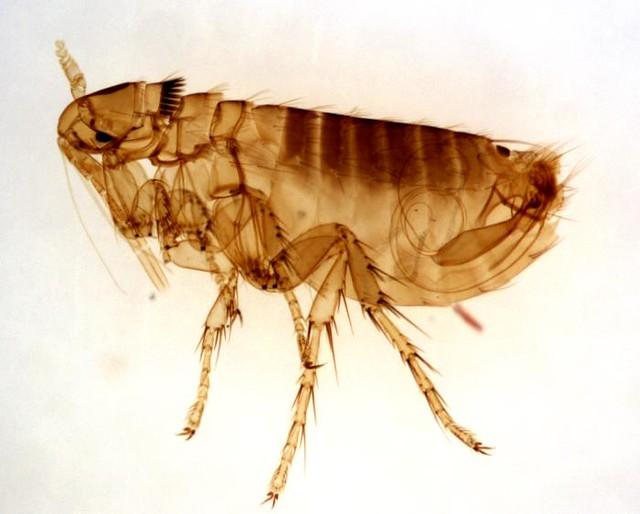
Fleas and Ticks and Mites— Oh My!
Commercial products abound for flea and tick prevention. However, there’s a movement afoot rejecting giving our pets harsh insecticides. These pesticides poison your poor pet’s blood to keep the pests away.
But you CAN find a more natural approach. If you’re looking for gentler, natural alternatives to chemical treatments, you’re in luck. Nature has provided naturally effective, plant-based tools like essential oils to combat these pesky parasites.
Tips on Using Essential Oils
Use an essential oil spray around the house, especially the carpet, your pet’s bedding, and any place he likes to hang out. I’m experimenting with mixing witch hazel with essential oils like lemon eucalyptus, cedarwood, and citronella. I put them in a spray bottle and shake it well before I spray it on the porch and outdoor rugs and furniture. You can also place insect-repelling diatomaceous earth around your home’s entry points. This way you can keep unwanted critters out of the house.
If you want to know how to make your own anti-insect spray and which plants can repel insects. Check out the link below
Dr. Jones’s DIY Natural Flea and Tick Spray Recipe
Stay ahead of these tiny troublemakers by giving your furry friend and home a weekly once-over. Keep an eye out for any uninvited guests! And don’t forget to add diatomaceous earth to your essential oil routine. Read the blogpost here: Using Diatomaceous Earth on Pets as Pest Control
The Dangers of Heatstroke In Dogs
Heatstroke can affect your dog just as it can affect humans, and it can be just as deadly.
There are a few symptoms to look out for:
- Rapid Painting
- Weakness
- Bright Red Tongue
- Diarrhea
- Vomiting
- Thick, sticky saliva

If your pet displays one or more symptoms, move him into the shade and immediately offer water. You can also wet their fur with a damp cloth, petting against the grain so the water penetrates past the fur to the skin. Some dogs will gladly tolerate being hosed off!
Should your dog’s symptoms worsen or you don’t see any improvement, call your vet immediately.
Local Jackson Veterinarians
If you’re visiting and you need a helping hand, Jackson Hole has several top-notch animal clinics. These pet-loving pros are always ready to lend their expertise if you run into flea, tick, or heat-related issues.
Remember, you have a whole team on your side when it comes to your pet’s health!
Here are a few options:
1. Jackson Animal Hospital offers various services, including emergency care. It is highly rated and has a dedicated team of professionals.
2. VCA Animal Care Hospital is a reputable option that focuses on primary care and emergency services. It is part of the VCA network and is known for its quality care.
3. VCA Spring Creek Animal Hospital provides comprehensive care, including boarding and grooming services. They also have high ratings and provide extended service hours.
Swimming With Your Pet
A great way to beat the heat in summertime is to make a splash with your pet. Dogs (and even some cats!) often love a good swim to cool down with their humans.
That said, always take precautions when swimming with your pet. Purchase a life vest and keep a watchful eye on them while they are in the water. Rinse your pet with clean water at home afterward.

To prevent Fido from drinking the water he’s swimming in, offer clean drinking water before he gets in. If you’re spending the day at the lake, bring a water filter and a collapsible bowl for your dog.
Hot Pavement vs Paw Pads
The pavement and sand can get extremely hot under the summer sun.
If it’s too hot for your bare feet, it’s too hot for Fido. Walking on hot pavement can cause painful burns to paw pads.

Stick to shaded trails or grassy areas, particularly during the peak heat of the day. If necessary, consider protective booties for your dog.
Water Wisdom
Staying hydrated during the summer is vital for you and your pet. With all the activities available during this time, having enough to drink is the best way to stave off heat exhaustion.
Always ensure your pet has plenty of water, especially during outdoor activities. Bring water or a water filter and a portable water bowl during walks or hikes. Have water bowls in different locations around your home.

Encounters with Water in the Wild
Be mindful of encounters with wildlife, particularly bears and moose. Your pet should be leashed or wearing an e-collar in most areas, just in case.
Additionally, be wary of blue-green algae blooms in stagnant water, as they can cause harm to your pet. Some algae are toxic and cause vomiting and diarrhea.
Keep your dog from drinking the water while swimming or playing in lakes or ponds. Never let him swim where blue-green algae blooms are present. Even contact with the skin may cause irritation or allergic reactions in some pets.
If your pet has contact with blue-green algae, or suddenly seems weaker after a dip in the water, observe him closely and seek veterinary care if his condition worsens.
Can My Pet Get Sunburned?
Yes, pets with light-colored fur or thin coats especially need protection. Apply pet-safe sunscreen to exposed areas such as their ears and nose.

Some symptoms of sunburn on your pet include itchiness, flaking, curling of ear edges, and pink or red skin. This can be extremely uncomfortable for your furry friend and should be taken seriously.
Keeping Summer Fun and Safe For Your Pet
Summer can be a blast for you and your furry friend, but it also comes with challenges. From beating the heat and tackling fleas to protecting their paws and staying safe from wildlife, we’ve covered the essentials to keep your pet happy and healthy this season.
If you found this read helpful, send in a picture of your pet enjoying the summer — we just might feature him in our next post!
Happy trails, and all paws in!
Shelley
Jackson Hole Pet Sitting