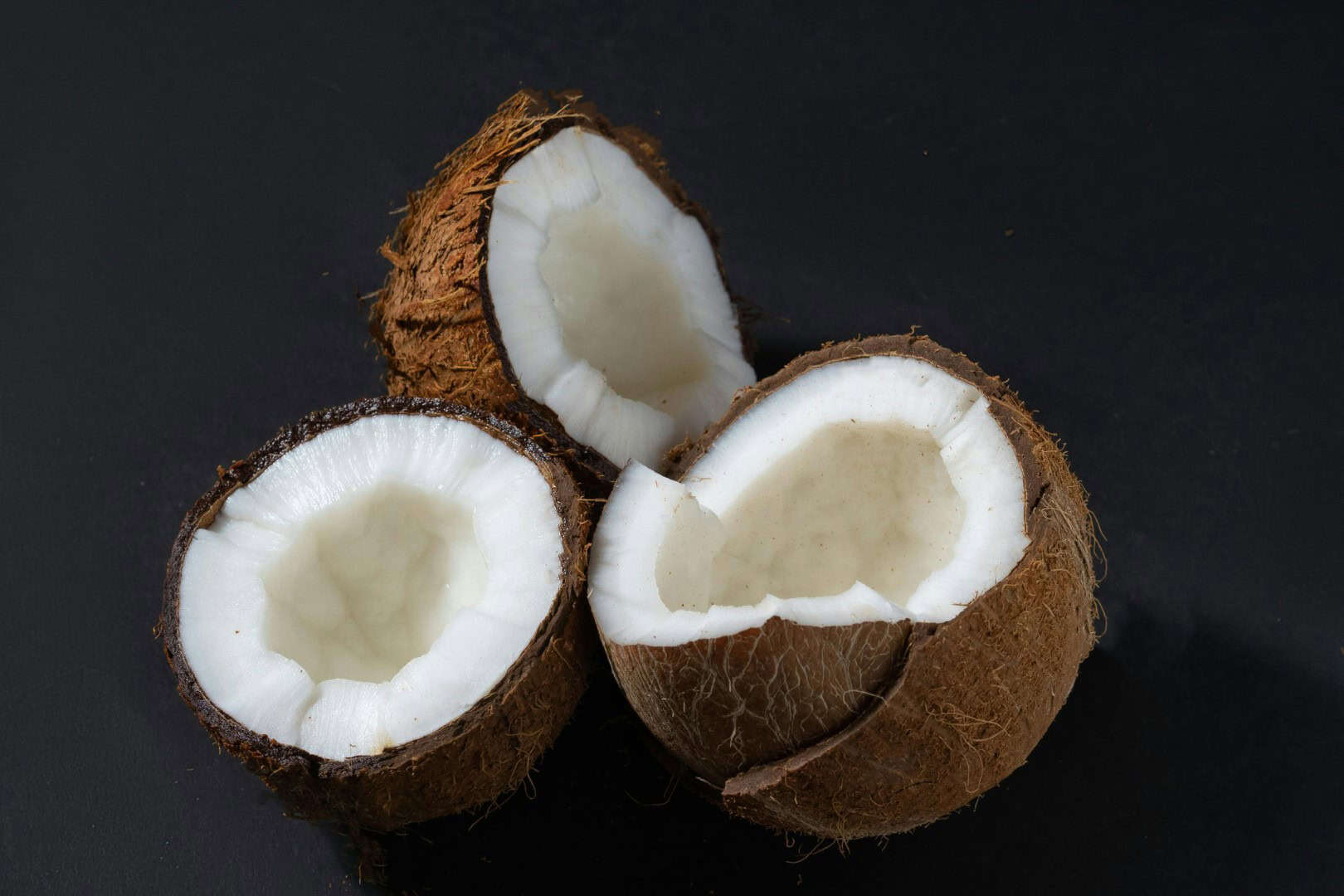
Coconut oil isn’t just a healthy staple for pet parents—it’s a miracle multitasker for your furry companions’ well-being. The benefits of this superfood range far beyond the kitchen. We’re here to break open the wonders of coconut oil for your pets and provide you with some useful tips. Note: Begin with just a tiny amount, whether orally or on your pet’s fur, to see how she reacts to it. Some pets may suffer from diarrhea if given too much before adjusting to it.
The Marvels of Coconut Oil for Your Pets
Rich in fatty acids, including lauric acid, and packed with healthy saturated fats, coconut oil stands out as a natural aid in pet health for a variety of reasons—from skin salvation to metabolic mastery. Here’s how a touch of this tropical treasure can enhance your pet’s life:
Silky Coats and Soft Paws
Shiny, Healthy Fur: A dab of coconut oil not only soothes dry and flaky skin but also gives a radiant shine to your pet’s coat. Its hydrating effects can turn a dull coat into a lustrous sheen that feels as good as it looks.
Paw and Nose Care: Tender paws and noses relish the moisturizing properties of coconut oil. Especially in harsh weather conditions, a small amount rubbed on these sensitive regions can prevent cracking and dryness. Plus, its antibacterial and antifungal properties can help fight off any potential infections.
Improved Digestion and Metabolism
Gut Health: Coconut oil can improve digestion and nutrient absorption in pets. Its medium-chain fatty acids are easily digestible and actually can help soothe inflammation in the digestive tract, making it an ideal supplement for pets with sensitive stomachs.
Energy Boost: Coconut oil’s medium-chain fatty acids are converted into ready-to-use energy, providing your pet with a natural and healthy boost. This can be especially beneficial for active or senior pets who may need an extra kick. And, it lubricates their achy joints.
Immune System Support
Antioxidant Powerhouse: Coconut oil is rich in antioxidants, which can help boost your pet’s immune system and fight off free radicals that cause cell damage and lead to diseases.
Anti-Inflammatory Properties: Inflammation is at the root of many chronic health issues in pets. Coconut oil’s anti-inflammatory properties can help reduce inflammation throughout the body, providing relief for common conditions such as arthritis and allergies.
Overall Health and Well-being
Weight Management: Adding coconut oil to your pet’s diet can also aid in weight management. The medium-chain fatty acids in coconut oil are easily metabolized, increasing the body’s ability to burn fat for energy.
Oral Health: Coconut oil has been shown to improve oral health in pets by reducing plaque buildup and promoting healthy gums. Simply rubbing a small amount of coconut oil on your pet’s teeth can help mitigate bacteria that lead to dental and gum issues. Its antibacterial properties can also help keep their breath fresh.
Shiny Coat and Healthy Skin: The healthy fats in coconut oil can also improve your pet’s coat and skin, whether taken orally or rubbed onto her fur. Regular supplementation with coconut oil can help reduce dryness, itching, and flakiness, leaving your pet with a shiny and healthy coat.
Tips for Incorporating Coconut Oil into Your Pet’s Diet
- Start slow: Introduce small amounts of coconut oil into your pet’s diet at first. Gradually increase the amount over a period of 1-2 weeks to avoid digestive upset.
- Choose high-quality, organic coconut oil: Look for cold-pressed, unrefined coconut oil to ensure maximum nutritional benefits for your pet.
- Consider your pet’s specific needs: Every animal is different, and some may have allergies or sensitivities to certain types of food. Consult with your veterinarian before adding coconut oil to your pet’s diet.
- Use caution when applying topically and feeding: Use minimal amounts on Fido’s fur or skin if they like to lick it off. Similarly, if she’s snacking on the oil on her fur, don’t give her more as a snack. Ingestion in large amounts can cause digestive issues and cause weight gain. For example, if you’re using coconut oil to clean your dog’s teeth, add less or none to her bowl that day since she’ll be swallowing some already.
Internal Health Benefits
Digestive Aid: Coconut oil is easily digestible and functions as an immediate source of energy. For pets with sensitive stomachs, it can promote digestive comfort and aid in nutrient absorption.
Weight Management: For pets with obesity, coconut oil’s medium-chain triglycerides (MCTs) help in reducing excess body fat, contributing to healthier weight management. Bonus fact: It can even stimulate metabolism, making it a useful supplement in your pet’s diet.
Immune Support: Antibacterial, antiviral, and antifungal properties empower coconut oil to fortify your pet’s immune defense. Regular intake can help them stave off infections and maintain optimal health.
Oral Hygiene
Breath Freshener: Beyond brushing, coconut oil can banish bad breath and contribute to gum health. Its antimicrobial properties make it an all-natural alternative for maintaining your pet’s pearly whites. Just rub it on her teeth and gums. Or give her a bit on an apple slice. Healthy and yummy!
Fights Tartar Buildup: Coconut oil is an excellent oral routine addition for pets prone to tartar buildup. Some say to add a small amount daily to her food, but I find it works better if I rub it on her teeth and let it sit in her mouth a bit.
Skin and Coat Health
Shiny Coat: Regular coconut oil intake will eventually contribute to your pet’s coat luster, making it shiny and soft and helping with skin irritation.
Joint and Cognitive Health
Mobility Enhancer: With anti-inflammatory qualities, coconut oil can calm arthritis discomfort and support joint health.
Brain Function: Incorporating coconut oil into your senior pet’s diet may benefit their cognitive function. It works due to the alternative energy source provided by ketones. Ketones are produced during the digestion of the MCTs in coconut oil. It can play a role in reducing the risk of age-related cognitive decline.
Skin and Coat
Coat Conditioner: Regular use of coconut oil as a topical treatment or through dietary intake can help keep your pet’s coat healthy and shiny. Its moisturizing properties soothe dry, itchy skin, prevent dandruff, and improve overall coat texture.
Natural Protection: Did you know that coconut oil can also act as a mild sunscreen for your furry friend? That’s right! Its natural properties provide a layer of protection against the sun.
I know it might sound like coconut oil is a miracle cure-all, but remember, each pet is unique. What works wonders for one might not have the same effect on another, so experiment slowly and with care.
Flea and Tick Repellent
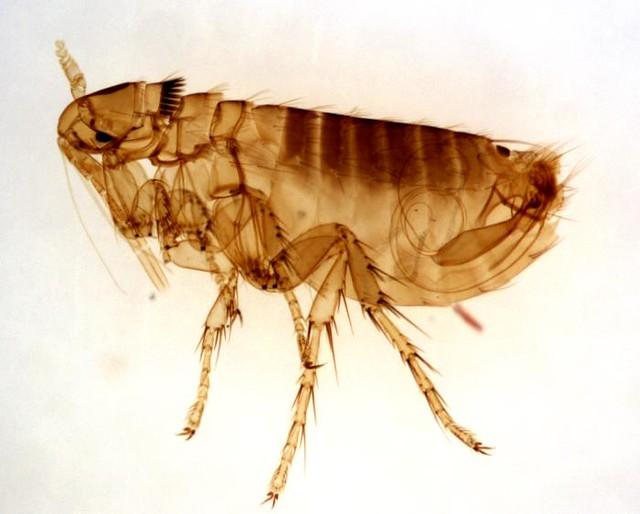
How does coconut oil ward off those pesky fleas and ticks? Well, it’s all about the fatty acids found in coconut oil, particularly the lauric acid. When your pet consumes coconut oil, their body absorbs the lauric acid, which is then excreted through its skin and coat. This creates an environment inhospitable to fleas, ticks, and even some mites.
Fleas, ticks, and other critters dislike the scent and taste of lauric acid. By adding coconut oil to your pet’s diet, you’re essentially making them less tasty and better able to fend off these unwelcome guests.
Remember, though, moderation is key. Start with a small amount of coconut oil, and if your pet responds well, gradually increase it to a dose that’s safe and effective. Starting small lets you observe how your pet responds without overwhelming them.
Note: while coconut oil can serve as a deterrent, it’s important to maintain regular flea and tick prevention methods you and your vet have agreed upon, especially during peak seasons. Ask your vet about cutting down on your pet’s pest-control preventatives if you feel you can do the job naturally.
Many pet parents are experimenting with a combination of ingested coconut oil, a little rubbed onto the fur, and diatomaceous earth (also known as DE) added to their pet’s environment or fur.
Note: See my blogpost here about diatomaceous earth: Uses of Diatomaceous Earth
Important: Diatomaceous earth should NEVER be inhaled by you or by your pet. Use a mask when applying, and keep it away from your pet’s face, nostrils, and eyes. Be sure to use food-grade DE and stay away from the kind used for pool filtration. Carefully work it into their fur so it gets to the skin and is thus less likely to be licked off.
DE works by dehydrating fleas and ticks, making them lose their protective coating and eventually die. Additionally, DE can also help prevent other pests like ants and bed bugs.
Antifungal
Another use for coconut oil in pets is as a natural ear cleaner. Some commercial ear cleaners can irritate Fido’s ears, especially if they have sensitive skin. Coconut oil has antifungal and antibacterial properties that can help.
Hairball Remedy for Cats
A bit of coconut oil may also ease the passage of the dreaded hairballs. Its oiliness helps hair pass gently through the digestive system.
Introducing Coconut Oil to Your Pets’ Diet
When adding coconut oil to your pet’s diet or routine, start with a small amount. Gradually increase the quantity while watching for signs of allergic reaction or digestive upset.
For small dogs or cats, start with ¼ teaspoons daily; larger dogs can start with 1 teaspoon and gradually work up to 1 tablespoon. Be sure to observe how your pet responds to its new supplement. Adjust the quantity if necessary, especially for those dogs and cats watching their weight.
Precautions and Additional Insights
While coconut oil has tremendous benefits, moderation is key. Due to its high fat content, consult your veterinarian before supplementing with coconut oil, especially if your pet is obese or has a history of pancreatitis.
Be cautious with coconut meat, milk, and water, as these can contain compounds and allergens that might not be suitable for all pets. Coconut water, for example, is high in potassium, which should be moderated. Hyperkalemia can occur when the body has too much potassium, leading to a range of symptoms that include weakness, fatigue, and heart irregularities.
The Bottom Line
Coconut oil is a versatile and beneficial superfood that can aid your pet’s health and happiness. By combining your new understanding of coconut oil’s perks with a gradual introduction, you’ll pave the way for healthier, happier pets. And remember, when you treat your pet to coconut oil’s many benefits, it’s okay if they lick it off—it’s all part of the plan!